
Yellow Crazy Ants
Yellow crazy ants are a critical biosecurity priority in Townsville, with over 20 known infestations. They are listed as one of the world's 100 worst invasive alien species, and one of the world’s worst tramp ants. Their true origin is unknown due to their rapid colonisation of countries around the world, however experts suspect yellow crazy ants originate from South-East Asia.
You should report any ants that you suspect to be yellow crazy ants.
In the Community
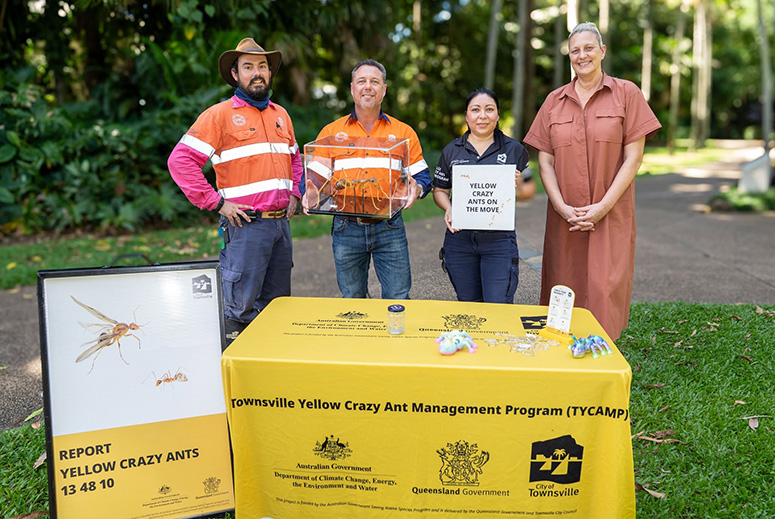
Council officer Chris Barrett, Mayor Nick Dametto, Council officer Tanya Bello and Deputy Mayor Suzy Batkovic.
Council’s Yellow Crazy Ants Management team regularly engages with the community through information sessions appropriate for all age groups. They provide education, resources and opportunities for residents to ask questions about yellow crazy ants.
Local Voices, Lasting Impact
Since its launch in November 2023, the Townsville Yellow Crazy Ant Management Program (TYCAMP) has made significant progress in protecting the region from one of the world’s most destructive invasive species.
TYCAMP was established through a $12.8 million, four-year partnership between the Department of Primary Industries, Townsville City Council, the Australian Government, and the Queensland Government.
To date (December 2025), the program has:
- identified 41 infestations across the Townsville Local Government Area
- treated over 4,766 hectares using a combination of aerial (helicopter and drone) and ground-based applications
- deployed more than 8,700 overnight lure stations to detect ant activity
- monitored 77 sites to track treatment effectiveness and reinfestation risks
- used ANTOFF as the primary insecticide, selected for its targeted impact and environmental safety.
Beyond field operations, the TYCAMP team has worked closely with affected residents across 10+ suburbs to tailor treatment options to individual property needs, while also raising awareness about the ongoing biosecurity risk.
TYCAMP has laid a strong foundation for long-term biosecurity success, and the team remains committed to protecting Townsville’s environment and community from the ongoing threat of yellow crazy ants.
About Yellow Crazy Ants
Yellow crazy ants are listed as one of the world's 100 worst invasive alien species, and one of the world’s worst tramp ants. Their true origin is unknown due to their rapid colonisation of countries around the world, however experts suspect yellow crazy ants originate from South-East Asia.


More Information
For more information, visit these links:

This project is funded by the Australian Government’s Saving Native Species program and delivered by the Queensland Government and Townsville City Council.
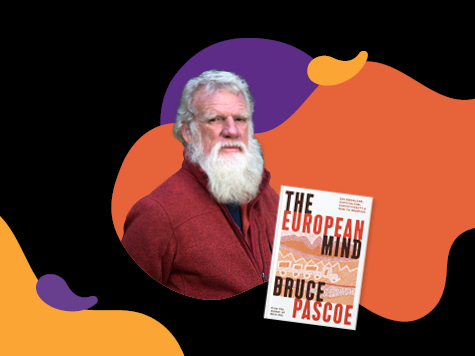
Author Talk with Bruce Pascoe
Join First Nations author and storyteller Bruce Pascoe for a special Author Talk at Citylibraries Riverway. Hear about his latest book, The European Mind: Colonialism, Capitalism, Christianity & How To Recover, and explore its themes in an author-led discussion.

Garage Sale Trail
Garage Sale Trail returns to Townsville over two big weekends, 7-8 and 14-15 November 2026. Hundreds of locals will join together for one last national celebration of buying and selling secondhand. Register now!
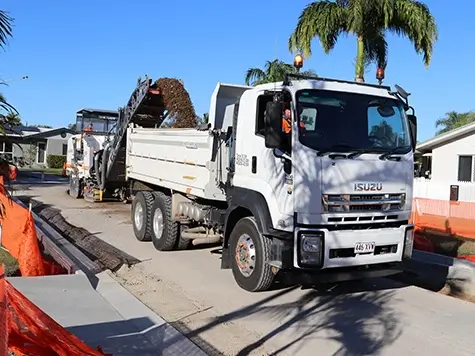
Capital Works Program
To keep Townsville growing, Council is actively involved in the delivery of projects to provide vital infrastructure and exciting development opportunities.

Carols by Candlelight
Brought to you by Sun Metals, Townsville's favourite Christmas tradition returns to Riverway. Gather your family and friends, bring your picnic blankets and chairs, and enjoy a festive evening of entertainment under the big top tent.

Mayor's Christmas Appeal
Locals Helping Locals - Give the gift of giving this Christmas! Together, we can help local families doing it tough this festive season. Every contribution, big or small, makes a real difference right here in Townsville.