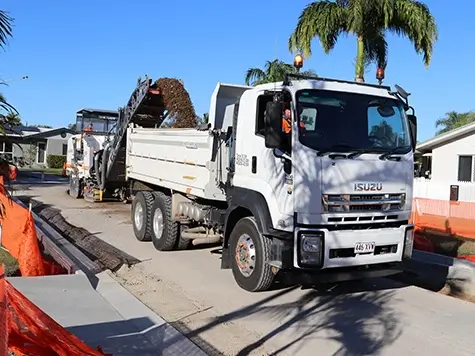
Property owners have responsibilities which can minimise the threat of surface water entering a home during heavy rain if carried out correctly.
These include effectively managing stormwater drainage and surface water on your property and maintaining your property's approved stormwater system including pipes, gutters, downpipes and gully pits.
Property owners generally need to ensure that roof water and stormwater is drained to one of the following to comply with AS/NZS 3500.3:2003 Plumbing and Drainage Part 3: Stormwater Drainage:
kerb and channel
an inter-allotment roof water pipe system; or
Council-controlled drainage easement or drainage reserve.
Frequently Asked Questions
Council gives priority to residents experiencing flooding within their habitable dwellings. Due to the high rainfall experienced seasonally, flooding of yards is not uncommon. Currently, Council prioritises flood mitigation works that prevent flooding of houses.
The property owner is responsible for the drainage pipes from the house, including the pipes that discharge to the kerb and channel. Council is responsible for the underground drainage system along the road. If Council’s stormwater drainage is blocked, please contact Customer Service on 13 48 10.
The drainage network is designed to take stormwater runoff from homes to the street where it is directed to stormwater pipes. During this process the streets are designed to fill with water temporarily. This usually recedes within a couple of hours after the rainfall stops.
If the water has not receded in this time frame, the drain could be blocked. Please contact Council to report blocked drains.
Easement documentation will detail maintenance rights and responsibilities. Generally, the property owner is responsible for maintaining the easement to ensure the overland flow is not obstructed by garden waste or long grass.
Drains within a private property are the property owner’s responsibility to maintain unless there is an easement in Council’s favour. These drains facilitate the runoff of stormwater from your property and potentially neighbouring properties.
Unless there is an easement or water naturally flows in that direction, it is an offence to direct stormwater into an adjoining property.
To address this issue, start by talking to your neighbour. If you cannot reach an agreement, you may need to seek legal advice.
For information regarding civil dispute matters contact the Department of Justice Dispute Resolution Centre on 1800 809 605.
Rural residential and rural development areas have a different stormwater drainage design to urban areas.
Unlike urban areas with kerb and channel and underground pipe systems, rural drainage depends on the natural overland flow of stormwater. If not properly considered, the installation of items such as garden beds and solid fencing can create an obstruction and interfere with the natural flows, which cause drainage problems for both the property owner and their neighbours.
Council recommends rural property owners maintain an effective stormwater drainage system and speak with their neighbours before making changes on their property.
Frequently Asked Questions
Stormwater drainage on private property is not a Council matter.
Discussions with your neighbour or a consulting engineer may be able to provide you with advice on ways to improve your property's drainage.
Outbuildings such as sheds and garages are not required to be built above flood levels unlike dwellings; therefore, some are constructed without this consideration. Measures to direct the stormwater drainage away from the shed/garage need to be provided by the property owner.
Table drains are designed to overflow during heavy rainfall events and sheet flow across properties.
Council will investigate the issue and consider re-profiling the table drain where the water ponding is:
not caused by driveways;
above the intervention level of 300mm; and
remains for at least 48 hours after rainfall.
Easement documentation will detail maintenance rights and responsibilities. Generally, property owners are responsible for ensuring overland flow is not obstructed by garden waste or long grass.
A collaborative approach with your neighbour is the best way to ensure optimum performance of drainage is achieved in rural areas.
Council does not have authority to intervene in drainage matters unless the works require Council approval, such as the installation of driveways accesses. If you feel that the works have not been approved and may cause flooding to your house or cause significant issues for road users, contact Council.
All other works causing drainage issues are a civil matter between property owners. If you cannot reach an agreement with your neighbour, you may need to seek legal advice.
For information regarding civil dispute matters contact the Department of Justice Dispute Resolution Centre on 1800 809 605.