
North’s largest saltmarsh restoration breathes new hope for waterway
Date published: 20 April 2026
Townsville City Council is leading Northern Australia’s largest saltmarsh restoration with the regeneration of 64 hectares of land along Ross River.
The Townsville’s Living Coastlines – Spaces for Saltmarshes project is funded through a grant from the Australian Government’s Reef Coastal Restoration Program and has involved collaboration between Council, James Cook University, First Nations groups and local businesses.
Divisional Councillor Brady Ellis said the $1.03 million project between Abbott Street and Ross River covered about the same area as 50 rugby league fields.
“This is a huge project that spells a massive win for the health of our environment, for waterways and for our local fishos,” Cr Ellis said.
“Saltmarshes are an important feature of our coastal landscape. They’re made up of plants that are tolerant of saltwater and are important breeding areas for animals like fish, curlews, crabs and prawns. Sadly, decades of vehicle access and illegal dumping has degraded this area.”
By the end of the project, almost 1,000 trees, shrubs and grasses will have been planted to help reduce erosion and enhance water quality along the Ross River.
“It’s incredible to reflect on the scale of work underway to restore this important coastal landscape. Early results are very promising, with new seedlings and saplings popping up already which will continue to spread and heal the land,” Cr Ellis said.
“This project is particularly great for the environment as saltmarshes can capture and store carbon from the atmosphere and the ocean about 30 to 50 times faster than a forest can, so restoring the Oonoonba saltmarsh will have continued benefits for our atmosphere for many years to come.
“To get all the fresh plants well established, our team has been working closely with Gudjuda Reference Group Aboriginal Corporation’s land and sea rangers. The planted trees are growing rapidly and appear very healthy. It’s wonderful to see our teams collaborating on the restoration of this landscape while showing respect and appreciation for the Country they are working on.”
The process includes scientific research in partnership with James Cook University, with 144 trial restoration plots established to assess sediment stabilisation treatments and monitor vegetation recovery.
Associate Professor Nathan Waltham led this project for James Cook University and said there were a whole range of important services that salt marshes provide, which were being damaged simply because people wanted to drive through them
“It’s causing huge damage to really important marine vegetation. These saltmarshes are critical habitats for lots of species, important for carbon and climate change mitigation, and vital for water quality,” Assoc Prof Waltham said.
“Our role was to work with Council and a local Indigenous group to transplant salt marsh and trial restoration techniques, then evaluate how successful that’s been over the last 18 months to two years.”
The university will publish a series of peer‑reviewed papers examining plant recruitment, sediment dynamics, and the project’s contribution to blue carbon sequestration. This research will provide valuable insights to support future coastal restoration across tropical Australia.
“For me and my research, this is a long‑term opportunity to keep monitoring and evaluating the success of this restoration approach,” Assoc Prof Waltham said.
“It’s almost like a classroom laboratory where we can continually test and refine what works. I’ve had three master’s students working on the project site, looking at fish and food webs, measuring how fast salt marsh breaks down in the soils, and studying crabs and their food webs. Just in the last 18 months it’s been a fantastic opportunity for student research."
Cr Ellis said the work wasn’t over yet, with some safety measures being put into place to preserve the saltmarsh and the amenity of the area for residents.
“Unfortunately, the newly restored land has a history of being treated badly by hoons and illegal dumpers. This isn’t acceptable at any time, but we’re taking the next step to stamp out this behaviour in line with the saltmarsh project,” Cr Ellis said.
“We have installed basalt boulder barriers to prevent vehicles from illegally accessing the saltmarsh area. This will significantly help reduce damage caused by hooning, which can degrade the land, destroy vegetation, and lead to harmful petrol and chemical runoff entering the Ross River. It will also help address ongoing issues with members of the public using this area as an informal dumping site.”
Cr Ellis extended his congratulations to all the groups who were involved in this project’s success.
“Council has led this project, but it wouldn’t have come to fruition without the assistance of Revere Projects, Gudjuda Reference Group, and James Cook University’s students who volunteered their time and efforts, and financial support from the Australian Government,” he said.
“This has been a massive undertaking and it’s fantastic to see the work this close to being completed. Well done to every single person who lent a helping hand.”

They Will Be Kings
Uniting some of Australia’s most exciting & influential trans activists, drag king performers and award-winning artists to rewrite the queer history of 21st Century Australia. Join the revolution. Celebrate the Kings.
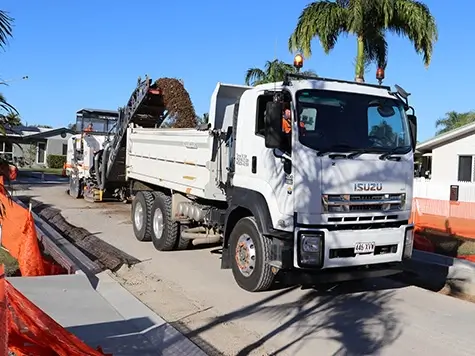
Capital Works Program
To keep Townsville growing, Council is actively involved in the delivery of projects to provide vital infrastructure and exciting development opportunities.
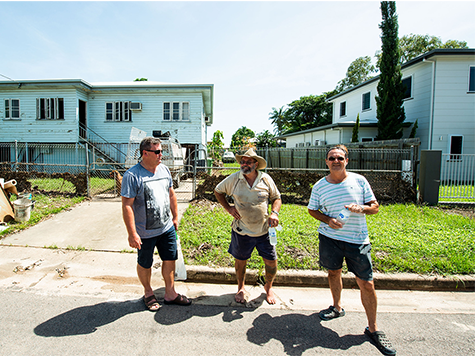
Recovery Roadshow
Council is taking recovery support on the road, with a series of community events planned across some of our region’s more remote communities. Connected communities recover better - let’s do it together.
Community Sentiment Survey
Council’s Community Sentiment Survey is a city-wide survey that gives community members the opportunity to tell Council what is working well, what needs improvement and what matters most to them. The survey closes 30 October 2026.
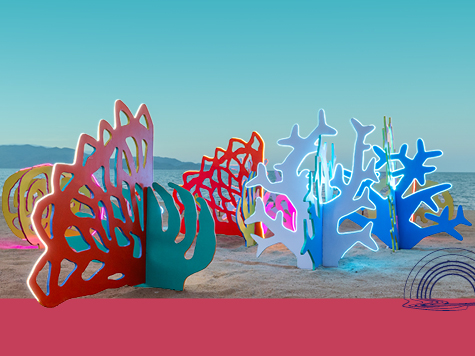
Entries are now open for Strand Ephemera 2027
Artists are invited to submit concepts that will form the North’s premier pop-up public art festival. Spark imagination and wonder, with artworks that celebrate Queensland’s unique stories – creating connection and lasting inspiration. Entries close: 10am, Tuesday 3 November 2026.