
You are here: Home Facilities & Recreation Libraries Programs & Activities Short Story Competition Short Story Competition 2016
Short Story Competition 2016
The theme for the Short Story Competition 2016 was "Townsville, its stories, people and places".
Check out the winning entries below:
Bindal Boy by Ian McIntosh
“See that over there my boy? That’s your totem. Strong, cunning, graceful and patient, like that crocodile; that’s what you will grow up to become, if you are willing to learn the ways of your ancestors.”
Edrick and his grandfather Fred were down on their haunches hiding in mangroves. They were ankle deep in soft, slushy, grey mud that gave off a pungent odour reminding Edrick of the musty stench of rotting fish. Even though they had only walked a short distance, mud had somehow managed to amble its way up the full length of Edrick’s gangly legs before recklessly leaping out across his brand new T-shirt as if it had been fired out of a scatter gun. “What was I thinking?” pondered Edrick, as he surveyed his mud speckled new shirt.
As Fred and Edrick peered through a thick tapestry of tangled, green mangroves, a majestic salt water crocodile silently meandered its way down the salt water estuary. His scaly, muddy, charcoal coloured tail swept rhythmically from side to side, pushing ripples out across the water before they ran out of momentum and faded secretively and silently back into the slow flowing waterway. The old Croc was moving downstream towards the mouth of the estuary. Perhaps the born hunter was instinctively heading that way in order to position himself in readiness for an ambush. Very soon there would be barramundi returning through the narrow inlet on the incoming tide in search of a feed of mullet. If not on the lookout, an unsuspecting barra may become the crocodile’s next meal.
“I reckon he’s about fifteen foot long,” whispered Fred authoritatively as he squinted and cupped his right hand across his wrinkled forehead to block out the sun’s glare. “See there, how his tail looks a little bit stumpy?” Fred pushed his chin forward, nodding his head slightly upwards in the direction of the crocodile’s tail. “That could mean that he got in a fight with a bigger crocodile and came off second best,” said Fred. “He might have won too,” he reasoned. “Or maybe he’s just a rough, old, ugly fella that was born all beaten up like me”, he jabbered with a grin, before releasing a soft nasally snicker.
Edrick smiled as he discretely looked Fred up and down. He mused that the aging warrior must have been through a few battles in his time. Fred’s body displayed many marks and scars. Most noticeable was the scared stump on his left hand that represented the remnants of where his little finger once resided alongside its 4 remaining counterparts. Edrick recalled how Fred had previously relayed with great gusto and embellishment the colourful account of the day he bid farewell to this diminutive digit.
Fred was a natural story teller. He had an uncanny ability to make even a mundane happening sound like an epic adventure. The story about losing his finger was no exception. One evening around a campfire, Fred had narrated to Edrick and a group of other Bindal youngsters that he had been out checking crab pots near the mouth of Alligator Creek on that fateful day. It had been a particularly fruitful venture for Fred and his fellow hunters. On that day, many crabs had disregarded their cautionary instincts and mindlessly clambered their way into the wire mesh pots in search of food. Lured in by the enticing smell of succulent fish frames, they scrambled in, one after another, only to find that they could not escape after eating their fill. Before long the pots were crowded.
After a while, the fishermen returned to retrieve the submerged pots. Pulling on the ropes, they dragged each heavily laden mesh pot up off the muddy creek bottom and in towards the bank. The men clapped and cooed as each pot broke through the murky waters surface to reveal an abundance of shimmering, dark green, speckled crustaceans, cluttering their claws and scampering about on top of each other.
About a kilometre away at Fred’s camp, family members could hear the faint sounds of cheering, clapping and cooees travelling in on the breeze from the vicinity of the creek. Instinctively, they gathered together some tea leaves, salt, alfoil and a billy can or two and headed off towards the creek. Shortly after, guided by the back and forth of cooees, the group rendezvoused with the happy fisherman. A shady tree was located, some wood collected and a fire started in readiness for a feast. As the raging fire diminished and settled into a bed of hot orange coals, a cut in half flour drum was filled with water and placed in the centre of the coals. Surrounding coals were then mounded up against the water filled drum to hasten the boiling process. During this time, captured crabs would be removed from the crab pots, placed into big metal buckets and sat in the shade. As soon as the water was boiling, the bucketed crabs would be carried over to be poured into the pot to cook.
These events were a way of life for Bindal people. Everyone enjoyed a good feed of crab and a pannikin of billy tea. “You can’t beat it,” Fred proclaimed as he told the story. “Bugger that fast food tucker; it’s got no flavour. Give me bush tucker any day,” he fervently stated.
As he told the story, Fred had conveyed to Edrick and the boys that on this particular occasion he was pouring the content of one of the buckets into a boiling drum of water. A big buck had decided that if it was to be his final moments alive, before plunging into the unsurvivable deathly heat of the drum of boiling water, he would go out fighting. As the gamely buck slid towards his watery grave he somehow managed to latch his vice-like claw on to the unsuspecting Fred’s dangling finger.
“I couldn’t work out what was going on,” Fred stated, wrinkling his forehead. “All of a sudden I felt a big pain in my finger,” he continued. “Then I looked down.” When he looked and saw the clawed menace clamped defiantly onto the base of his little finger, Fred let out a trumpeting bellow. He fell to the ground and rolled about as he wrestled and wrangled with the big angry buck. The buck held fast with one claw as he attempted to latch onto any part of Fred with his other flailing claw. Two of the other fishermen rushed to Fred’s aid, pushing him onto his back. One man secured the free claw whilst the other quickly bashed the desperate crab with a rock.
Fred told how he laid on his back in the dust with both of his knees pulled up to his stomach, grimacing and clutching his mutilated finger. “It hurt like you wouldn’t believe,” reflected Fred in a way that caused the listeners to clasp their own hands as if they were somehow experiencing the same pain that Fred had felt. His two rescuers attempted to pry the now bodiless claw from Fred’s mangled finger. They carefully broke one side of the gripping claw just enough so that Fred’s finger could be released. The smashed remnants of the dead, clawless crab lay off to one side. The crab had managed to escape the pot of boiling water and was now too smashed up and covered in dirt to be eaten. So in a way he had won. Fred kicked at the remains as he staggered over to the base of a tree before dropping to his knees. He felt faint as he plucked up the courage to look at what remained of his little finger.
Fred had told Edrick and the other boys that his finger was almost severed clean off in the incident. He described how another fisherman cut through the remaining skin with his pocket knife. Fred gritted his teeth, pushed his clenched right fist hard into his forehead and closed his eyes tightly as the fisherman amputated the dangly remains from the rest of his hand. Then they wrapped the jagged wound with a make shift bandage torn from Fred’s sweaty, dirty shirt. “Later on I used my finger for bait and caught a big old Catfish,” Fred had boastingly stated when re telling the story. Edrick was never sure if that part of the story was actually true or not.
There were numerous other scars and marks in various locations on the old man’s body. Fred said that he couldn’t remember how most of them occurred. He didn’t mind though. He said it meant that he could make up a new story every time someone enquired.
Edrick’s mind was drawn back to the present with a feeling of discomfort in his legs and back. He had been squatting for some time now and his young bones and muscles were starting to burn and ache. He shifted his weight onto his left leg and shuffled back in an attempt to alleviate the soreness. Edrick moved as carefully and quietly as he could. He knew that any noise or sudden movement he made could cause the crocodile to disappear under the surface of the water. If this eventuated, it would no doubt attract a disgruntled glance and disapproving grunt from his grandfather.
Edrick froze mid shuffle as Fred suddenly turned and looked directly at him. “Did I do something wrong?” he thought as he tried to read the contorted expression on his grandfather’s aging face. With eyes that implied a depth of wisdom and knowledge that only someone who had lived a lifetime could possibly convey, Fred looked upon Edrick as if he was about to reveal an ancient secret to him that he dare not miss. He paused for a moment as if to build anticipation and create suspense. Then, in a muffled voice, only moderately louder than a secretive whisper, the wise old elder looked deeply into Edrick’s eyes and declared, “He knows we are here you know boy. That Crocodile is watching us now.”
Trying to hide the sense of eeriness and trepidation he was feeling, Edrick gulped. Although they were on the opposite side of the creek and a good distance back from the water’s edge, Edrick knew all too well how quickly this old relic of the river could move. Just then, a chill shot up Edrick’s spine. He suddenly recalled another occasion when he and Fred had been out together. On that particular occasion, Fred and Edrick had been standing by a river bank observing another crocodile sunning itself on the opposite bank. Just as Edrick had thought how glad he was that the old crocodile was way over on the other bank, Fred had casually interjected that it would be the crocodile that you don’t see that ends up getting you. Edrick remembered how he had taken a couple of rather large steps backwards up the muddy bank in order to remove any possibility of an ambush from the “one he didn’t see.”
With that thought in mind, Edrick quickly threw his gaze searchingly towards the water’s edge that connected with the muddy bank only about three metres in front of their so called hideout. His thoughts began to run wild. ”There could be a crocodile hiding just below the surface right in front of us,” thought Edrick. They were a reasonable distance back from the water and somewhat protected by the thick coverage of the mangroves. But, Edrick suddenly felt as vulnerable as a turtle hatchling attempting to flounder its way to the beckoning ocean before having its journey and life threatened by one of the many adversaries that lay between the remnants of its egg shell and adulthood.
Edrick’s mind was racing. Without warning, a hidden monster of the deep could explode out of the water faster than a snake strikes at its unsuspecting prey. The man eater could be upon him before he and his aging grandfather had time to subtract their feet from the sticky, suctioning mud and make their escape from within the twisted and mangled mangrove trap.
Suddenly, as if the moment had been pre planned by nature, a school of mullet erupted from just below the surface of the water, directly in front of where the two humans were hiding. Startled by something bigger, or perhaps just to break the monotony of their perilous existence, the mullet darted off in several directions making a noise like someone throwing one hundred river stones as hard as they could at the water. Splash, splash, splash, splash!
Edrick’s entire body shuddered and then tensed. In his panicked state, he attempted to scuttle back and make a hasty retreat before he became the next meal of the man eating beast that he imagined at that very moment was hurtling towards him faster than his lanky, spindly legs could carry him away. But, as if to play a cruel joke on him, the sticky mud gripped mercilessly to Edrick’s feet, causing him to momentarily lose his balance and almost plop straight down into the rancid, soggy muck.
Fred had remained almost completely motionless throughout the ordeal that lasted approximately one entire second. Edrick quickly recomposed himself, trying to act as if nothing had happened. Fred cupped his hand firmly over his mouth in an attempt to suppress his desire to laugh uncontrollably. A garbled snicker somehow compelled itself through the corner of his dry lips. Fred removed his hand from his mouth, shook his head and gave a condescending snicker. “What you doing boy?” he grumbled, as he shook his head and looked at Edrick, who now sported a sheepish expression on his face.
Fred then turned to face back towards the water. “He’s gone now boy,” he said calmly. Edrick looked to where he had last seen the crocodile. Sure enough, there was no sign of him. “He’s probably still right there, where he went down,” said Fred, motioning again with the forward movement of his chin and tilting back of his head. Edrick searched with his eyes to see if he could pick the spot where the crocodile had submerged. “Right there just in front of where that tree branch is hanging over the water,” pointed Fred with his spindly black index finger. “You wanna swim over and check for me boy?” asked Fred in a jovial tone, a wry grin on his face.
“Bugger that Grandad,” gasped Edrick as he stood up to relieve the discomfort he was feeling from squatting in one position for so long.
“He’s still watching us you know boy,” uttered Fred as he rose to rest his hand on Edrick’s shoulder. “Don’t ever think that a crocodile doesn’t know you are there. That’s when you will get into trouble.” Edrick gave an acknowledging nod.
“Come now boy,” said Fred in an upbeat, cheerful tone. “Let’s head back to town. I don’t know about you, but I’m getting a bit hungry”.
Bleached by Phoebe Evans
The small girl floats silently in the water, breathing quietly as she can through her snorkel mask, worried she might disturb the hundreds of creatures darting in the water around her. She is a slight girl, unlike many her age. Her flowing, brown hair suspended in the water about her is impossibly long for a girl of just five years. Her eyes are startling. They are always changing; one day a placid sea green, the next a stormy grey. Like the ocean tides, always changing, never stopping.
Suddenly, she senses change. The fish the girl has been watching stop swimming. She is afraid she has scared them but they aren’t scurrying to find a hiding place, instead they stop where they are and turn to face an alcove, partly concealed by a large lump of protruding coral. There she sees what they have halted for. Moving slowly, in no hurry to vacate the niche, a great fish of varying shades of green and blue emerges. It has full lips and fanning fins but its most prominent feature is the large hump on its forehead, making it look like it wasn’t watching where it was going and bumped into some very hard coral.
The girl giggles at the sight of the lump, letting out a stream of bubbles. At this, the fish that earlier, she had been so careful not to scare, hasten away. But before the King – for that was what she has been calling it - turns away, he gives the girl an imposing glare as if to say, that’ll teach you to laugh at me.
That was the first time Lauren saw a Humphead Wrasse.
The young woman floats silently in the water, breathing as quietly she can through her snorkel mask, worried her search for healthy coral may prove futile. The day began badly enough with Lauren having to wake up at half four to meet her fellow researchers at the Townsville Marina before heading out to the reef. Lauren is in her mid-twenties and has just completed a degree in marine biology. But even that achievement can’t mask her worries. The reef is dying and she knows it. Everyone knows; they have known for years since the first outbreak of coral bleaching back in 1998. It’s now 2030 and more than half the coral has been lost.
Lauren takes a lungful of air and dives down into the clear water. No longer is the reef here bright and colourful and full of life. It is bleak and unhealthy with hardly any inhabitants. It is an underwater wasteland, nothing like how it should be. It is bleached.
However, there is still one resident left. The King comes and goes, somehow knowing when Lauren and her team of biologists are in the area, never turning down a free feed. But lately Lauren has noticed change in him. He might still have that same imposing glare she first encountered as a child, but he has lost his energy. He seems frail, unhealthy even. Lauren knows this is only him aging, and it’s perfectly natural. But somehow she feels it’s her fault, as if, had not been for her people wreaking the planet and oceans, he might not be so…old.
As if knowing she was thinking of him, the King suddenly emerges from behind a rocky outcrop. He swims towards Lauren with urgency in his eyes. When he eventually reaches her, she gasps in shock, sucking in a mouthful of water. A deep gash stretches from the tip of his bulging hump to his right fin. It looks fresh and Lauren can see it is already badly infected. A boat strike. She just hopes it wasn’t her own. Her first reaction is to call out to the boat but she can see from the familiar imposing glare, the King is determined. For what, she doesn’t yet know but instinct tells her to follow him. So she does.
For a fish with a potentially fatal injury, the King swims remarkably well. He twists and turns with ease, diving down into small crevices in the half-dead coral. For a moment, Lauren thinks she has lost him but he reappears again and shoots straight for a cave-like mound. There she sees it. For the second time that day, Lauren swallows a mouthful of water from shock. Coughing and spluttering, she readjusts her mask before diving back down to take a closer look. It is breathtaking. A whole colony of new and thriving corals are settled in this underwater cavern. Hard and soft corals mingle together while tiny, tropical fish dart endlessly through nooks and crannies. Lauren is mesmerised by it’s beauty. She cannot believe it. It is new life; new hope. Perhaps the reef will survive after all.
In her wonder, Lauren has forgotten the King. When she turns to him, a grateful smile plastered on her face, he is not there. Frantic, she searches for his familiar, motley body. Finally, she finds him, lying on his side, a few metres from the cave. His beautiful scales have lost their shimmer; even his hump seems to have shrunk into itself. Lauren plunges torpedo-like through the water, despair enveloping her. She stays under with him for as long as she can, powerless. Eventually, she has to return to the surface but through her foggy snorkel mask, she sees his eyes, whitening more with every second. His look is as imposing as ever but there is more to it; he is telling her something, there will always be hope.
The old lady lies silently in the hospital bed, breathing as quietly she can through her oxygen mask, worried she might disturb the nurses scurrying in and out of the room. Lauren is tired but she is content at last.
She closes her eyes and rests her head on the hard hospital pillow. She is the opposite of her reef: old and frail with no energy left in her. She is bleached.
Townsville Tunnels by Lindy Collins
Coming back on the plane, Shell and I both laughed as we heard the two young blokes sitting behind us talking about the tunnels. Mate, the one fellow said, if you go to Rose Bay foreshore and find the big drains - you can walk and crawl all the way up under Belgium Gardens and Castle Hill until you reach these huge underground rooms. His mate who was visiting from Brisbane for the first time was really interested. Well why haven’t they been made public? What do you do if you are up the drains and it rains? What’s inside the rooms?
We sat and listened to the young bloke telling about the World War II jeeps, ammunition and old guns just piled up randomly in these huge underground bunkers deep within Castle Hill.
Shell looked at me and we tried not to laugh out loud. Being Qantas they brought us a snack and we munched our carrot sticks and hummus and continued to listen, as the tale got longer. Mate, you can skate up the tunnels on your stomach on a skateboard. Being claustrophobic I thought it sounded disgusting however Shell and I both knew that they were on the wrong track.
The tunnels did exist and did go deep into Castle Hill but not from Belgium Gardens and the storm water drains. They led nowhere. We knew where the real tunnel started from and what was in it.
When I bought the house off Church Street in West End I thought the concrete slab at the bottom of the garden were part of the old dunny system and had pretty much not paid it much attention. The house, a miners cottage had been brought down from Ravenswood in the early nineteen twenties and had been owned by women ever since. For a five-year period during the Second World War the cottage had been requestioned by the army for official use.
A solid little cottage made of silky oak, it was perfect for a middle aged independent single woman like myself. My two poodles and I settled in very well. I love gardening and getting my hand in the soil. My garden was a bit wild and I soon cleared it out chucked out all the weedy trees and plants and put in a pretty native garden.
A couple of months after moving in my friend Shell and I were sitting in the back garden, with a stiff G&T, the weather was dry and cool, the mozzies had buggered off finally. We started talking about the latest news that some one had thought there were cannons buried in Reid Park under the civic theatre. The soft evening light filtered through the trees and I thought about all the secrets in the world. I thought it was probably true and that they could use that land sonar thing that they use in the BBC Tony Robertson show about finding ancient towns and settlements. After a while the conversation drifted around to the myth of the tunnel system under Castle Hill. Why would they start a tunnel anywhere but near the old quarry (which was just down the road) or somewhere else that no one would think of looking for it? We pondered this awhile and threw the ball for Fifi while Jimbo sat getting cuddled on Shell’s lap. Not much of a ball dog was Jimbo he left it to his poodle sister to retrieve all the balls that the humans threw away so easily.
We got up and I led the way down to the bottom of the garden. So, Shell, I said, drawing breath after we had talked about the amazing Roman finds in England, what about this? I pointed to the concrete slab partially hidden by grass and leaves. Could it be a tunnel or just the slab over the septic tank? Shell was staying with me for the week. She is my oldest and best friend. We had lived in the same street in Railway Estate and gone to primary school there and high school at Town High. Shell was very clever and had gone down to UQ in Brisbane to study law and was now a Barrister. I stayed in Townsville and became a nurse, one of the nurses who started at the hospital under a very grumpy matron. Shell and I grew up on Enid Blyton’s Secret Seven, famous Five and the Hardy Boys. We used to have adventures in the mangroves and round the creeks always on the look out for mysteries to solve. Never really found any real ones but our imagination overflowed with fun.
Shell had never married choosing instead to have friends with benefits and no commitments to interrupt her adventurous worldwide travels. Me, I like my own space and animals too much to share them with anybody else. Friends are wonderful, however they do go home and one can enjoy the quiet with two pooches and a good book without other people’s demands. Shell and I loved each other’s company however.
We both decided it was time for dinner and we would have a further look at the slab in the morning.
Feeling seriously excited we up and dressed in our tee shirts and shorts and put on running shoes to protect our feet. I got my big spade and a jemmy that I use to pull out tough plant roots. Whacking the concrete a few times with the jemmy it did sound hollow. Shell and I tried to lift a corner and it shifted slightly.
It was so exciting. I reasoned that we would need to lever the concrete aside gradually to see what was inside. It was about a metre square. As we gradually shifted the slab a pit emerged.
Looking down into the pit we could see an iron rungs attached to the walls going into the dark. There was no smell so we thought the dunny idea was obsolete. Shell suggested we get a couple of torches and go down the ladder. Bursting with excitement we headed for the servo and bought two large torches. When we got home I locked the poodles in the house so they wouldn’t follow us.
The rungs on the ladder seemed very rusty so we climbed down carefully. As a pair of rather fat middle aged women, we giggled and felt about ten years old climbing into a secret tunnel. The ladder ended in a large drain, concrete walls and dry bare rock on the floor. The drain lead into darkness and Shell and I felt full of nervous apprehension as we walked forward. Shell is a bit taller than me and she had to stoop to get through without banging her head.
As we walked we flashed the torches in the wall and floor. It was dry and like I imagined ancient Egyptian tombs to be like. We soon lost sight of the shaft of light filtering down the hole in my garden. There were no other passages leading off the tunnel but I did feel worried about using up the new torches so we decided to only use one. I ignored my claustrophobia and thought of poor coal miners. After walking in the dark for what seemed like eternity with only a beam of torchlight we came up to a grill with a steel lock on it. Beyond the grill was a large room carved into the rock with many crates, all old army green and not at all dusty because of the clean atmosphere.
Well, we decided to leave it at that and come back the next day with bolt cutters and check out the boxes.
Shell was so excited and so was I. We swore each other to secrecy. Climbing out the shaft we thought it would be a good idea to cover it up again so used a tarp and bricks to hide it.
The next day after a hearty breakfast and lots of strong coffee we discussed the operation.
At the hardware store on Ingham road I bought the biggest bolt cutters I could carry and Shell brought a couple of headlamps. We folded up the tarp and headed down the tunnel towards the rock room as we now called it. The room was the size of a small bedroom with a very low ceiling. It was tough going cutting through the good steel of the lock on the grill and the hinges were stiff as we pushed it open. WD40 next visit, we said. The wooden crates lay neatly on the ground, about fifteen of them. They looked like they would have weapons or ammunition in them. Shell was a bit worried about opening them in case there was a chance of things exploding however I thought it would be safe so I grabbed the bolt cutters and cut through the first lock on the crate. Our headlamps both shone into the crate and we both gasped. It was full of gold bars. Real gold. Shell lifted one up and sunk her teeth into it. Holy Moly we couldn’t believe it. We each took one and closed the grill behind us and headed back to the cottage. After covering the shaft we both lay in the grass and laughed.
Back in the study I fired up my computer and looked at the gold price. It was $1,200 an ounce. How many kilos of gold were there?
Now Shell and I are both ethical and good people. We had to discuss and think hard about what we had found. Was it a personal stash of gold or did people hide it in case Australia lost the war?
One thing we had in common was our sadness at the loss of habitat around the country and so many animals being placed on the endangered list. This is a war of sorts. Neither of us needed money for everyday living so we decided to gradually spend all the gold on donating to every conservation and wild life care program in Australia. Shell decided to chuck in her job in Brisbane and bought a workers cottage in the same street and joined me in our mining operation that we did carefully and discretely while watching the results of our benevolence around the country.
We got rid of the tarp and brought some corrugated iron and covered it with leaves and branches. When we sit in the back garden with friends I usually point out the old septic tank to them. Gross is the reply. Gross amounts I think.
We had just come back from our latest philanthropic venture in Melbourne when we heard the two young blokes discussing the tunnels in Townsville. They wouldn’t have noticed the two grey haired ladies sitting laughing.
Past Ghosts by Kila Pope
The wind howled and the rain battered down as the hooded figure ducked and weaved through the abandoned street. Pressing themselves against the alcove of a door, the being froze as a searchlight from an overhead helicopter swept down the street. As the light passed they backtracked, heading in the opposite direction of the helicopter.
The slight being slipped towards a house and slowly opened the door before slipping inside.
The removal of their hood revealed a delicate but determined face with large brilliant, cold blue eyes. She climbed the stairs, not a sound emitting from under her feet. Entering a room upstairs, she stepped up to the desk, and addressed the deeply tanned man with dark whiskers sitting behind the table, ‘Brandon.’ Her voice was smooth, bringing a sense of hidden wisdom to any listener.
Brandon assessed the girl that stood before him with his dark eyes. Her shoulder length sandy hair framed her face as is hung loosely. At her throat a single deep blue elliptical pendant hung on a leather chain. Anyone who didn’t know her would believe her to be a regular innocent 16 year old, however, Brandon knew this was not the case.
She had trained under his hand since she was five, now she easily outstripped him in skills of deceit, subterfuge, assassination and theft. She watched him as she carefully placed her hand inside her black leather jacket, retrieving a USB from the inside pocket. Holding it up, she slid it smoothly across the table towards him. He caught it and slotted it into the mac that sat before him. He scanned the files on the USB quickly, determining whether the girl had done her task.
‘Well done, Zea,’ his voice rough from smoking. ‘You’ll be paid tomorrow.’ He then turned back to the computer and the girl took her leave, quietly closing the door behind her.
She started down the corridor, treading so smoothly and silently that she could have been an apparition. She stopped in front of one of the many closed doors and opened it quietly. Slipping inside quickly, she closed it, flicked on the light and looked around sullenly at the bare room. A single bed stood against the opposite wall, taking up its entire length. A small desk sat next to the door, taking up the remaining wall, allowing for a narrow walkway between the desk and bed. Under the bed were four storage containers on wheels.
These contained her few possessions, the black jeans and single coloured shirts that were her bleak uniform, and her few treasured possessions that she had managed to buy with her meagre salary. Brandon payed his employees with board and meals, money only being a factor when they completed a task before the deadline given. She knelt on the floor and pulled one of the containers out and opened it. Reaching in, she retrieved an elegantly carved but worn box make of deep rosewood. Her only possession apart from the pendant around her neck that she owned before she entered Brandon’s service.
Pressing her long nails into the unnoticeable crack in her pendant, she opened it and caught the small key. Slipping the key into the lock she twisted it and reverently opened the lid. Within the box held her most precious possessions and a pouch of money. Placing the pouch on the bed she placed her fingers into the box and pulled out a ring with a single stone. She had taken it to a jeweller once and found that the stone was apatite, a rare stone, worth enough to get her out of the deep hole she lived in, but she stayed, the ring being the only possession that she knew was her mothers. She slipped the ring on the middle finger of her right hand and stretch her mind back to the subtle, almost dying memories of her mother, the faint smell of roses and the warm hand that had once embraced hers, the time before Brandon dragged her from the ruined car.
Running her hand across her forehead to clear her hair from her eyes, Zea reached into the box again and pulled out the worn photos, each contained the picture of a young smiling woman in her mid-twenties. Her long hair reached halfway down her back and her eyes twinkled with a happiness that Zea had never known. She flicked through the photos until she came to one of a small boy and girl in the embrace of the woman, her mother.
She allowed herself to shed a tear as her mind flashed back to the night, the boy sat in the booster seat next to her in the back of the car, her mum in the front, they were singing happily and noisily, then there was screeching and a loud crash.
Silence.
She screamed, but neither her mother nor brother responded, she had screamed at her mother, trying to wake her until Brandon had arrived, he had taken her and had trained her, trapping her in the ways of criminals. The box was the only possession taken from the wreck.
Zea gripped the photos to her chest to protect them from the tears that were openly rolling down her cheeks.
They were her only link to a past life that would never be hers.
She would never leave, this was the only life she knew, and she was wanted for a large number of felonies. The sound of faint steps sounded down the corridor, prompting Zea to hide her stash. Sliding the photos back in and slipping the ring off her finger, she placed the pouch back over them. She locked the box and slipped the key back into the pendant, clicking it shut. She quickly placed the box back into the container under the shirts and pushed it under the bed.
Standing up and sitting at the desk, Zea opened a book and began to write. Brandon would expect a report by morning.
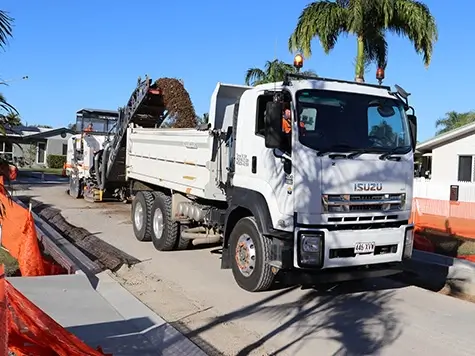
Capital Works Program
To keep Townsville growing, Council is actively involved in the delivery of projects to provide vital infrastructure and exciting development opportunities.

They Will Be Kings
Uniting some of Australia’s most exciting & influential trans activists, drag king performers and award-winning artists to rewrite the queer history of 21st Century Australia. Join the revolution. Celebrate the Kings.
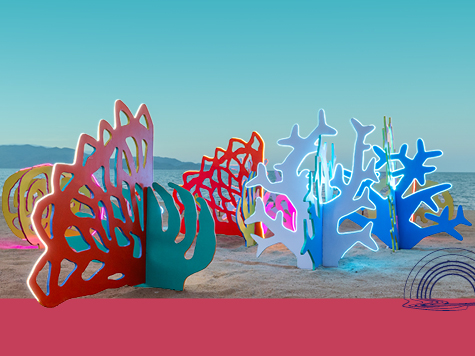
Entries are now open for Strand Ephemera 2027
Artists are invited to submit concepts that will form the North’s premier pop-up public art festival. Spark imagination and wonder, with artworks that celebrate Queensland’s unique stories – creating connection and lasting inspiration. Entries close: 10am, Tuesday 3 November 2026.
Community Sentiment Survey
Council’s Community Sentiment Survey is a city-wide survey that gives community members the opportunity to tell Council what is working well, what needs improvement and what matters most to them. The survey closes 30 October 2026.
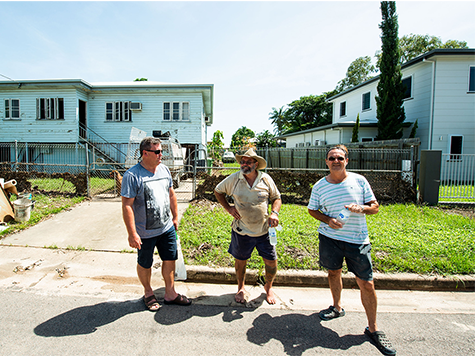
Recovery Roadshow
Council is taking recovery support on the road, with a series of community events planned across some of our region’s more remote communities. Connected communities recover better - let’s do it together.