
Disaster Resources
Access to information is critical leading up to, during and following disaster events.
This page provides a range of resources, including translated resources, to help you make informed decisions and protect yourself, your family and your home in the event that a disaster affects the local area.
We are committed to educating staff and residents about natural disasters and has developed a number of resources with various tips on preparing for disaster events.
Are You Disaster Ready?
This series of educational videos and documents is designed to assist Townsville’s residents to better prepare for natural disasters.
These resources are available in English, French, Karen, Kinyarwanda, Sango, Somali, and Swahili.
English
French/Français
Karen/ကညီီ
Kinyarwanda/Rwanda
Sango/Yângâ tî sängö
Somali/Soomaali
Swahili/Kiswahili
Documents and Videos
Cyclones
These resources are designed to assist children in the understanding of what to expect in a cyclone:
An educational video designed to assist Townsville’s Aboriginal and Torres Strait Islander communities to better prepare for cyclone season.
An educational video designed to assist Townsville’s migrant communities to better prepare for cyclone season.
This booklet is designed as an easy-to-read and interactive guide about cyclones for people who have complex communication needs or intellectual disability.
There are many things you can do to reduce your chances of becoming a victim during a disaster. Taking some simple precautions now before the onset of any natural hazard will help protect you, your family and your property.
Improve your understanding of tropical cyclone categories and their impacts. This video explains what the different tropical cyclones categories are, the hazards involved and the potential damage a tropical cyclone can cause.
This video provides information about the movement and intensity of a tropical cyclone, as well as showing the areas likely to experience its effects.
This e-book is designed to teach school-aged children about what to expect in a cyclone and what they can do to prepare themselves and their families.
Disaster Information (General Information including Asbestos, Mould and Pandemics)
Houses built before 1990 are likely to contain asbestos. Asbestos can have dangerous health effects, but it is safe if handled correctly.
- Birdie and The Virus (Children’s Health Queensland Hospital and Health Service)
- Disability Inclusive Disaster Resilience Framework and Toolkit (Collaborating 4 Inclusion, Website)
- D.I.Y. Using Sandbags to Protect your Home and Business Brochure (Queensland Fire and Emergency Services, PDF)
- Food Safety for Businesses (Council, PDF)
Disasters such as power outage or flooding can have a significant impact on food safety, and have the potential to spread foodborne illness if not managed well. This information sheet provides advice on what to do if your food business has been flooded or lost power.
In the aftermath of a disaster, the supply of drinking water, private water supplies, tanks, wells and bores may be contaminated or stopped all together.
This video shows you how to sandbag your home or business in the event of flooding.
Mould is a type of fungi that lives on plant and animal matter. Mould grows best in damp and poorly ventilated areas, and reproduces by making spores.
Preparing for Disasters (Before a Disaster)
This guide focuses on all types of natural disasters. Do not wait for a disaster to happen before you think about how you and your family are going to survive.
This checklist provides tips for what to include in your emergency kit to ensure you, your family and pets have enough supplies to last at least three (3) days without assistance.
This guide will assist you in preparing your family, animals and home for the North Queensland summer, including preparing an emergency kit and ensuring you have evacuation plans in place.
This template will assist you and your family in determining what you will do and where you will go if you are required to evacuate in the event of a disaster or emergency situation.
Townsville is a great place to live, but there's a serious side to living in the north. Types of natural disaster events, which may affect the Townsville area, include: cyclone, storm tide, king tide, flood, bushfire, tsunami, earthquake, landslide and pandemic.
This factsheet provides a checklist to assist in what to pack in your pet disaster kit.
Cyclones can be a part of life in summer. Think about ways you can prepare your family by stocking an emergency kit. Before the cyclone season you should make every effort to prepare yourself and your family (including pets) by having your emergency kit stocked and ready to go.
This factsheet provides tips for including pets in your family emergency plans, as well as considerations for a pet disaster kit.
Take the time to discuss what you and your family will do in the event of a disaster or emergency situation. Prepare your emergency plan ahead of time. Then, if an emergency threatens, you will know how to best respond.
- Preparing your Household for Disasters in Other Languages (Queensland Government, Website)
- Public Shelter Option (Council, PDF)
This factsheet will assist you in developing a household emergency plan that includes evacuation and shelter considerations based on your circumstances and exposure to risk.
There are new changes to the way you get warnings for natural disaster events in Queensland. The AWS means that warnings will be consistent across the country, across hazards, and easier to follow and understand. Make sure you familiarise yourself with the AWS to ensure you are prepared during disaster season. Also available in other languages.
Recovery (After a Disaster)
- Financial Assistance (Queensland Government, Website)
- Preparing your Business for Natural Disasters (Queensland Government, Website)
- Rebuilding your Business after a Natural Disaster (Queensland Government, Website)
- Returning Home After a Bushfire (Queensland Government, Website)
- What your Business should do after a Natural Disaster (Queensland Government, Website)
Storm Tide, Storm Surge and Tsunamis
North Queensland residents share their experiences with natural disasters, including tips on how to best prepare for a storm.
This guide will assist you in determining if your property is at risk of inundation from a storm tide and whether evacuation is required. If you are not required to evacuate, your home is often the safest place for you.
These detailed suburb maps will assist you in determining if your property is at risk of inundation from a storm tide and whether evacuation is required. If you are not required to evacuate, your home is often the safest place for you.
A stunning visualisation of the storm surge impact caused by a low pressure system such as a cyclone, hurricane or east coast low.
This guide will assist you in determining if your property is at risk of inundation from a tsunami and if evacuation to higher ground is required.
Useful Websites for More Information
For recovery after a disaster and crisis counselling.
For weather information.
For recovery after a disaster.
Council has developed a public-facing platform that acts as a one-stop shop for essential information about the local area in times of disaster. By providing easy access to up-to-date information (for example, road closures, weather updates, school closures, emergency warnings, etc.), this dashboard provides situational awareness to the general community.
For general disaster information.
For recovery after a disaster and crisis counselling.
For translation and interpretation.
For general disaster information.
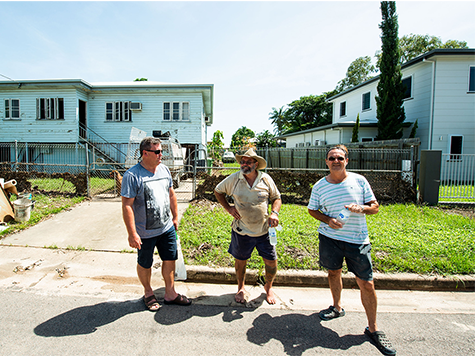
Recovery Roadshow
Council is taking recovery support on the road, with a series of community events planned across some of our region’s more remote communities. Connected communities recover better - let’s do it together.

They Will Be Kings
Uniting some of Australia’s most exciting & influential trans activists, drag king performers and award-winning artists to rewrite the queer history of 21st Century Australia. Join the revolution. Celebrate the Kings.
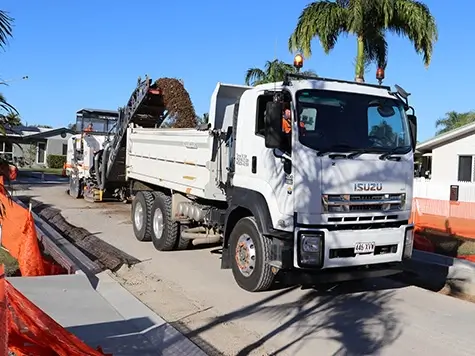
Capital Works Program
To keep Townsville growing, Council is actively involved in the delivery of projects to provide vital infrastructure and exciting development opportunities.
Community Sentiment Survey
Council’s Community Sentiment Survey is a city-wide survey that gives community members the opportunity to tell Council what is working well, what needs improvement and what matters most to them. The survey closes 30 October 2026.
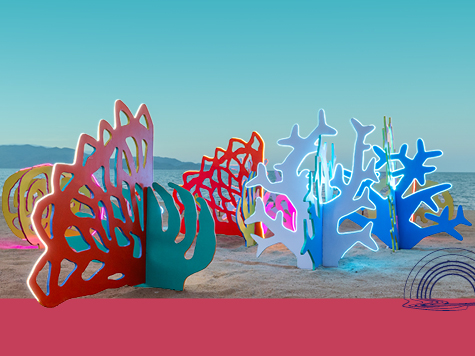
Entries are now open for Strand Ephemera 2027
Artists are invited to submit concepts that will form the North’s premier pop-up public art festival. Spark imagination and wonder, with artworks that celebrate Queensland’s unique stories – creating connection and lasting inspiration. Entries close: 10am, Tuesday 3 November 2026.